


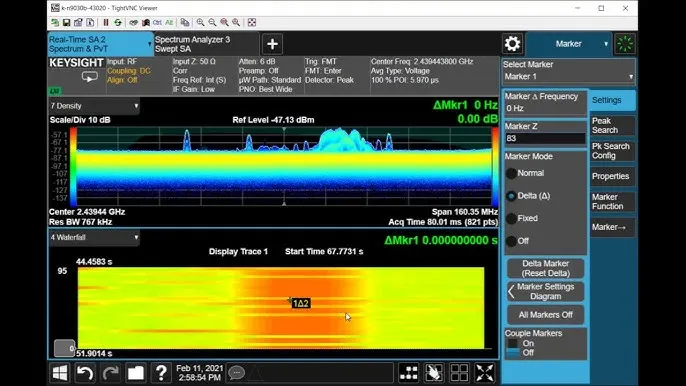
Surface resistance and static control (ESD)
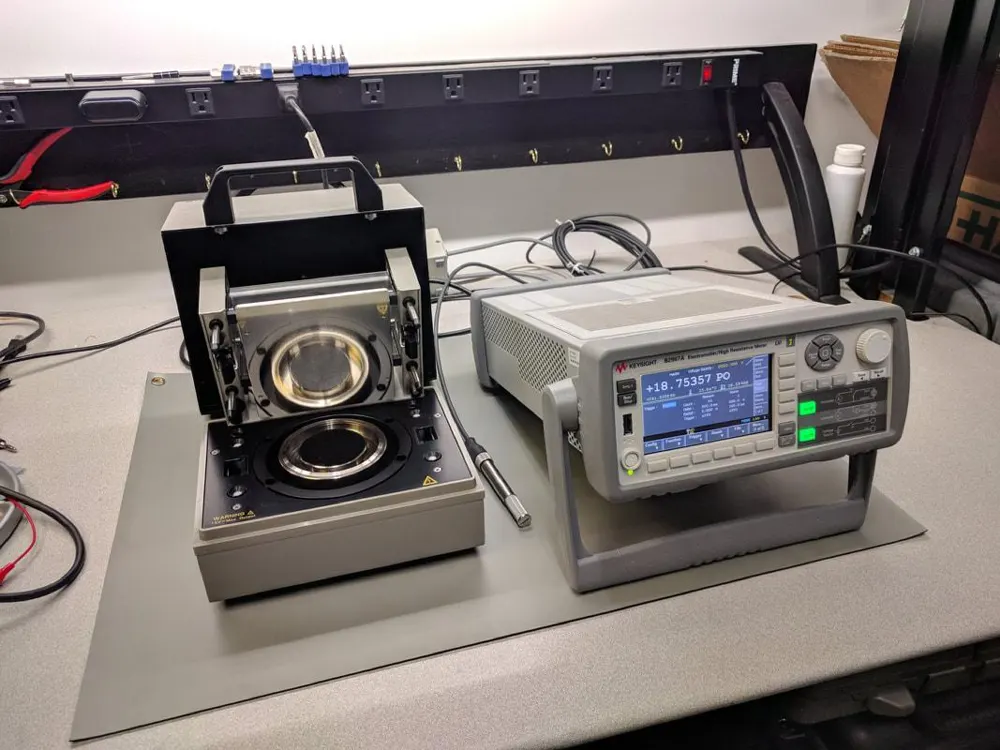
Surface resistivity testing of materials
Surface resistance testing for the electrical characterization of insulative, dissipative and conductive materials. We use specialized instrumentation and procedures based on international standards such as ANSI/ESD STM11.11, ANSI/ESD STM11.12, ANSI/ESD S20.20, IEC 61340 and other applicable methods. The tests determine a material’s ability to dissipate or restrict the flow of electrostatic charge. They are essential for evaluating ESD floors, mats, workbenches, packaging, trays, containers, antistatic bags, coatings, engineering plastics, polymers, rubbers and paints.
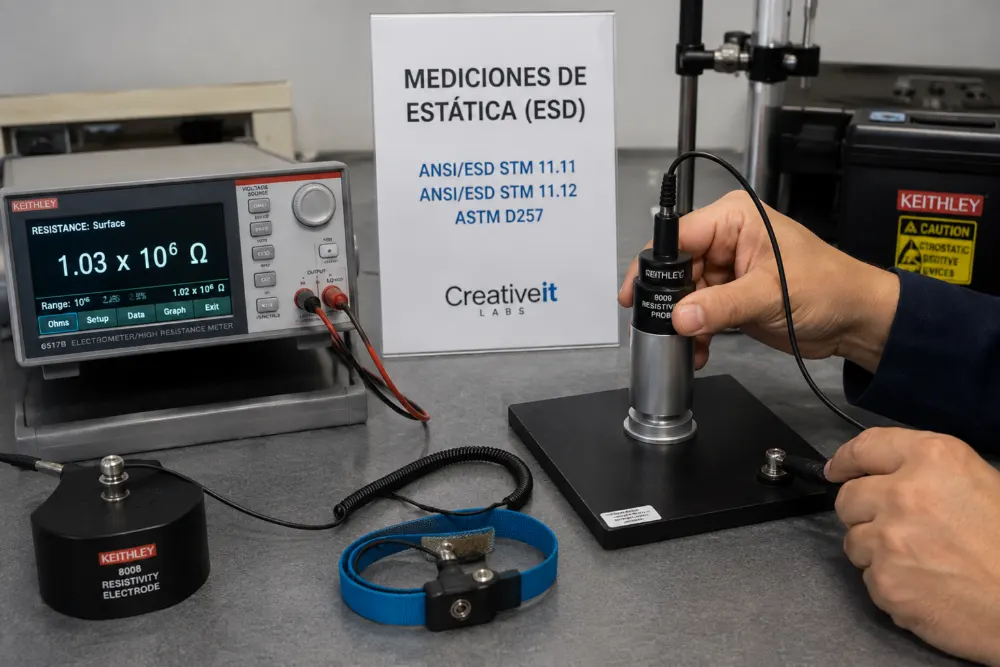
Static (ESD) measurements: ANSI/ESD STM 11.11, ANSI/ESD STM 11.12 and ASTM D257
We measure static electricity (ESD) to evaluate the electrical properties of materials used to manufacture electronic products, sensitive devices and electrostatic protected areas (EPA). We perform surface resistance, volume resistance, surface resistivity and volume resistivity tests on conductive, dissipative and insulative materials in accordance with ANSI/ESD STM 11.11, ANSI/ESD STM 11.12 and ASTM D257.
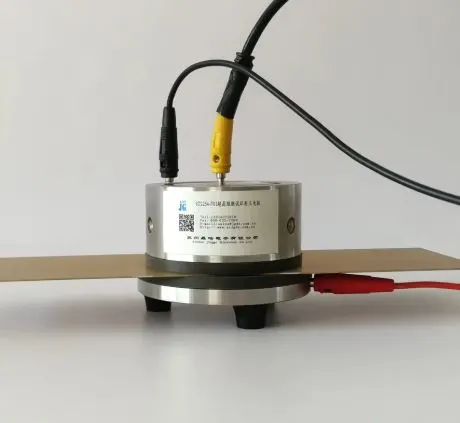
Surface resistance testing with concentric electrodes in Monterrey
We measure surface and volume resistance and resistivity on flat materials using electrodes in a concentric configuration. Surface resistance is measured with ANSI/ESD STM11.11. Volume resistance is measured in accordance with ANSI/ESD STM11.12, using a concentric ring electrode and a lower electrode, to determine the resistance through the thickness of dissipative materials. ASTM D257, for its part, sets out direct current methods for determining insulation resistance, surface resistance and volume resistance in insulating materials.
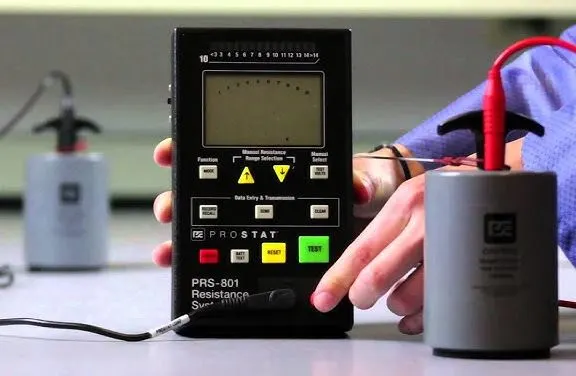
Measurements on dielectric dissipative mats in Monterrey
We measure point-to-point resistance (Rtt) on mats, carpets and flooring systems for electrostatic control. We use two 5 lb (2.27 kg) cylindrical electrodes with a conductive contact surface, placed on the surface at the spacing specified by the test method. Measurements are made in accordance with ANSI/ESD STM7.1, which is used for the resistive characterization of materials and flooring systems intended for electrostatic charge control.
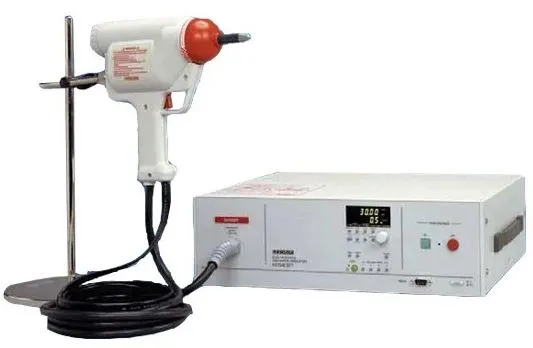
ESD immunity testing (electromagnetic compatibility, EMC) in Monterrey
We carry out electrostatic discharge (ESD) testing in Monterrey to evaluate the immunity of electronic equipment and devices to electrostatic events. We use the Kikusui KES4021A simulator. The tests reproduce contact and air discharges in line with the criteria of IEC 61000-4-2 and identify resets, lockups, loss of communication, malfunctions or damage caused by ESD events. The service is part of our electromagnetic compatibility (EMC) testing and is used to validate the robustness of electronic products before release, industrial integration or certification processes.
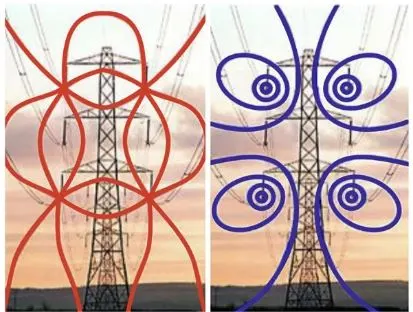
Shielding evaluation and electromagnetic interference (EMI) mitigation
We evaluate the effectiveness of shielding, enclosures, cabling, bonding connections and other mitigation solutions through comparative electromagnetic measurements. We compare the behavior of electronic equipment, inverters, drives, power supplies and industrial systems before and after modifications are made, to identify the solutions that actually reduce electromagnetic emissions. We measure electric and magnetic fields and perform EMC diagnostics to locate sources of interference and optimize shielding, cabling and connections, with quantitative results.
Electrical characterization of devices and batteries
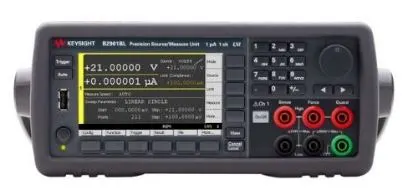
Electrical analysis, testing and characterization of devices and components
We perform direct current (DC) electrical characterization tests on components, electronic boards, semiconductors, modules and prototypes with the ADCMT 6240A DC Voltage Current Source Monitor. We evaluate voltage, current, power consumption, leakage current and I-V behavior under controlled test conditions. The results make it possible to validate designs, compare samples, investigate failures and obtain technical information for engineering, development and quality control.
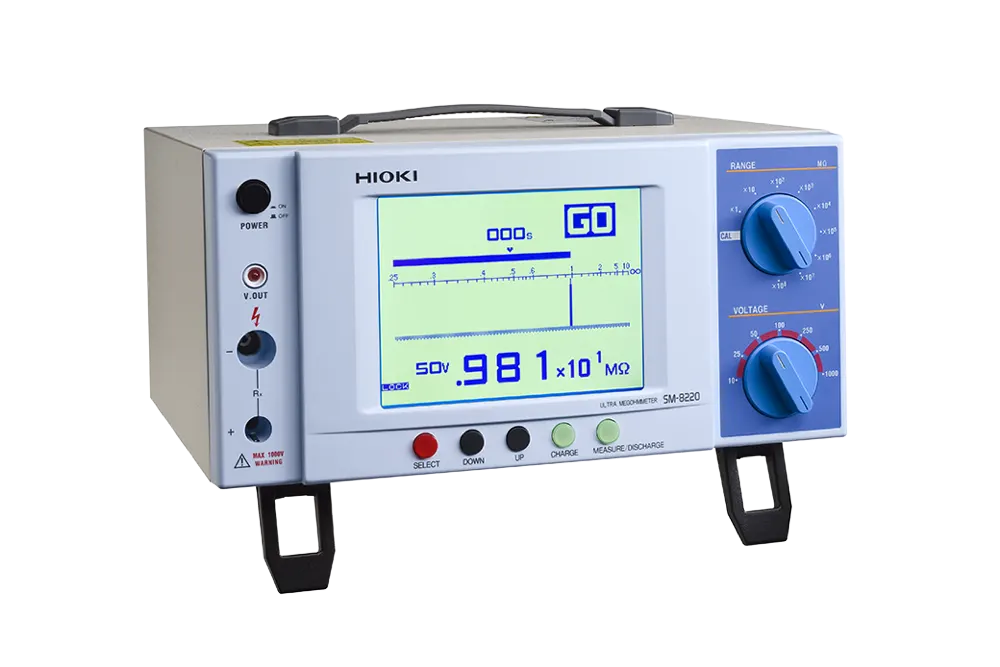
Super megohmmeter testing: insulation resistance of lithium batteries in Monterrey
We measure the insulation resistance of lithium batteries, modules and high-voltage battery packs with high-precision super megohmmeters (high-voltage megohmmeters). The tests evaluate the integrity of the electrical insulation and detect leakage currents, contamination, moisture, degradation of insulating materials and potential faults that could compromise system safety and performance. They are essential for the validation, maintenance and quality control of electric vehicle (EV) batteries and battery energy storage systems (BESS).
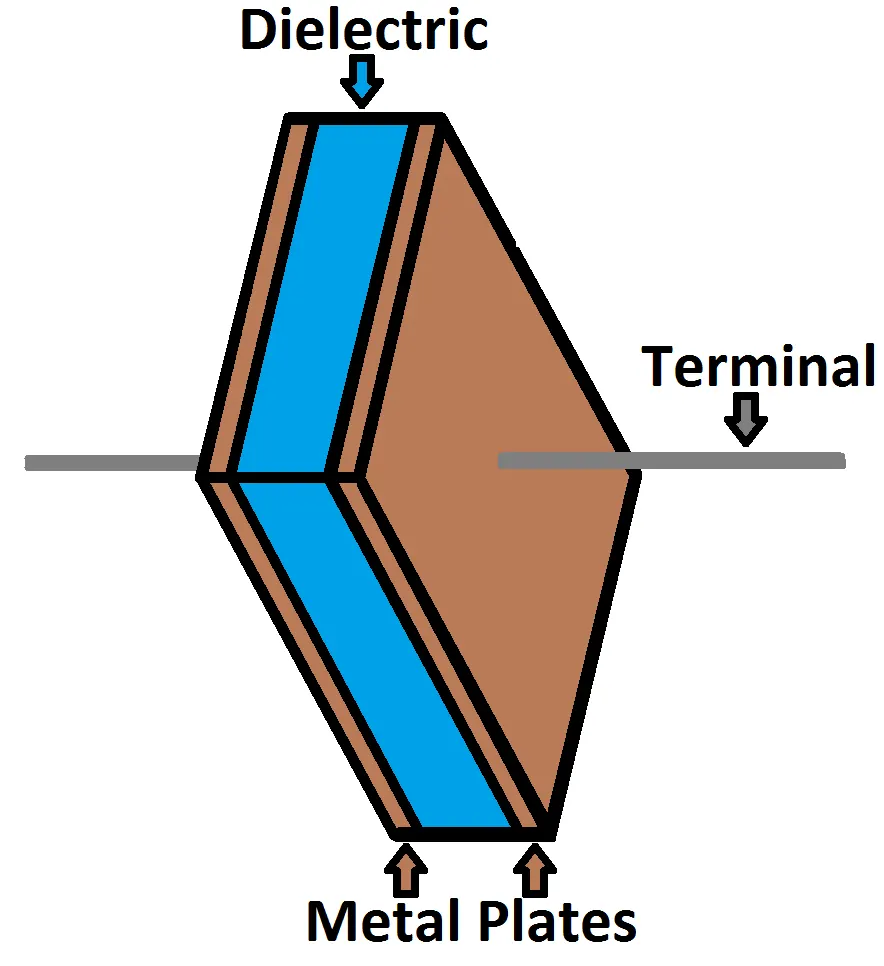
SMD capacitor analysis and PCB characterization service
We analyze SMD capacitors and electrically characterize printed circuit boards (PCB) with LCR analyzers, material analyzers, VNAs and high-precision measuring equipment. We determine capacitance, equivalent series resistance (ESR), dissipation factor (tan δ), impedance, dielectric permittivity (εr), dielectric losses and frequency behavior. The tests validate PCB materials, identify failures in SMD capacitors, compare electronic substrates and optimize designs for high-speed, radio frequency (RF), microwave and power electronics applications.
Radio frequency and high frequency
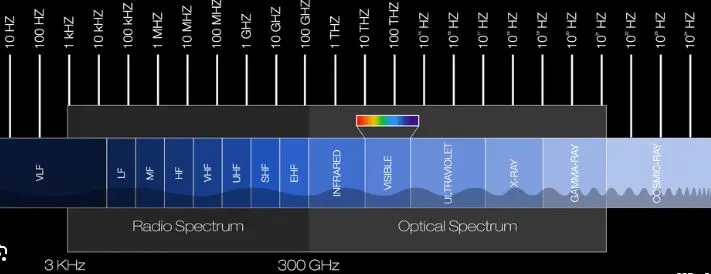
High-frequency electronic measurements in Monterrey
High-frequency measurement and characterization up to 26.5 GHz for RF, microwave and telecommunications devices and systems. We evaluate the electrical behavior of materials, components and circuits under high-frequency signals: impedance, losses, reflection, transmission, S-parameters, matching and frequency response. This measurement capability supports everything from component and material characterization to the evaluation of prototypes and electronic systems.
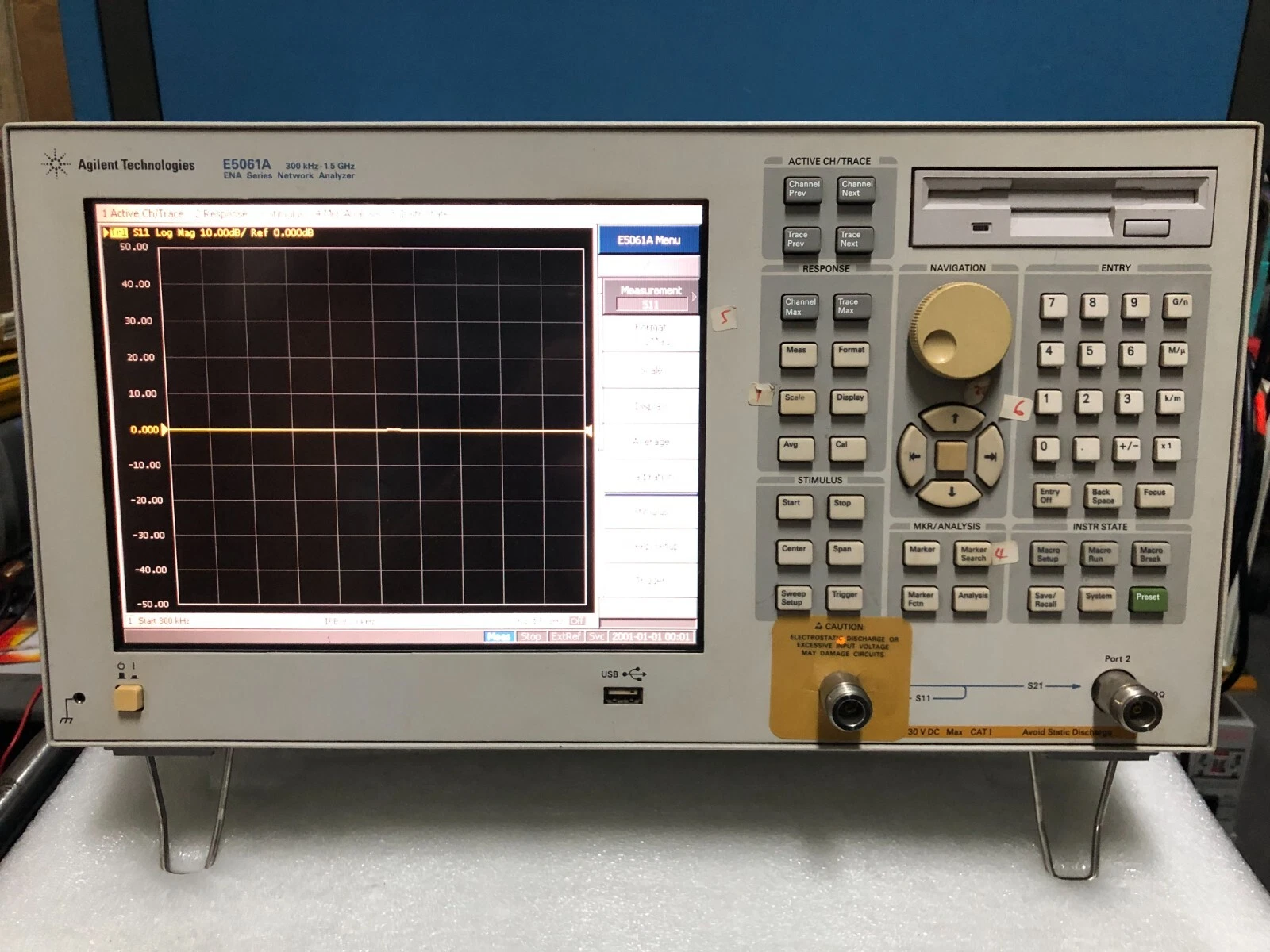
Professional measurement of 75 Ω RF devices and systems
We measure 75 Ω RF devices, components, cables and systems with vector network analyzers (VNA) and specialized accessories. We evaluate their electrical behavior over frequency using S-parameters, insertion loss, return loss, VSWR, phase and impedance matching. The system can be configured with phase-stable cables, adapters, type N and F connectors, mechanical calibration kits and eCal electronic calibration, for telecommunications, CATV, RF video and signal distribution applications.
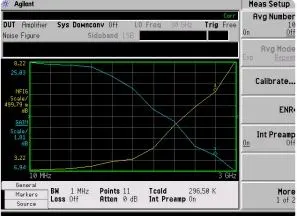
Gain and noise figure analysis of radio frequency amplifiers in Monterrey
We measure gain and noise figure using the Y-Factor method up to 18 GHz, with calibrated noise sources from 6 to 21 dB ENR for different types of amplifiers, receivers and radio frequency modules. You receive gain and noise figure versus frequency curves that show the actual performance of your device, identify losses, assess sensitivity and validate RF designs. We deliver technical results and, on request, photographic or video evidence of the measurement procedure. The service is used for development, validation, quality control and performance analysis of electronic equipment.
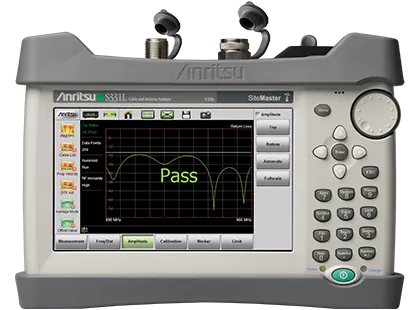
Radio frequency testing of GPS installations, cables and antennas
Radio frequency (RF) analysis of GPS installations, coaxial cables, connectors and antennas to verify the performance and integrity of signal transmission systems in navigation and telecommunications. We use vector network analyzers (VNA), spectrum analyzers and high-frequency measuring equipment to evaluate insertion loss, return loss, VSWR, impedance, continuity, electrical length, cable fault location (DTF/TDR), antenna matching and frequency response.
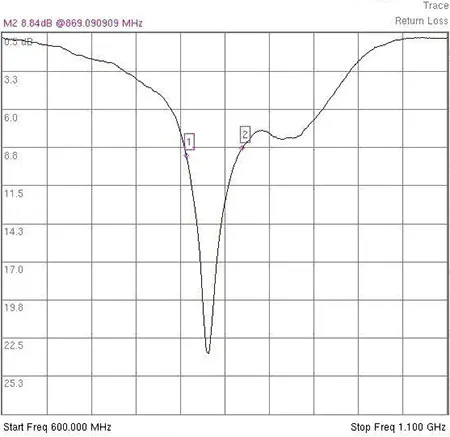
Services for RF cables and antennas in all types of installations
At Creativeit Monterrey we evaluate, diagnose and certify radio frequency (RF) cables, antennas and installations for wireless communication, telecommunications, GPS, Wi-Fi, cellular networks, microwave links, radio communication, IoT and industrial applications. With vector network analyzers (VNA) and spectrum analyzers we verify VSWR, return loss, insertion loss, impedance, electrical length, cable fault location (DTF/TDR), antenna matching, frequency response and transmission line continuity.
Electrical and dielectric properties of materials and liquids
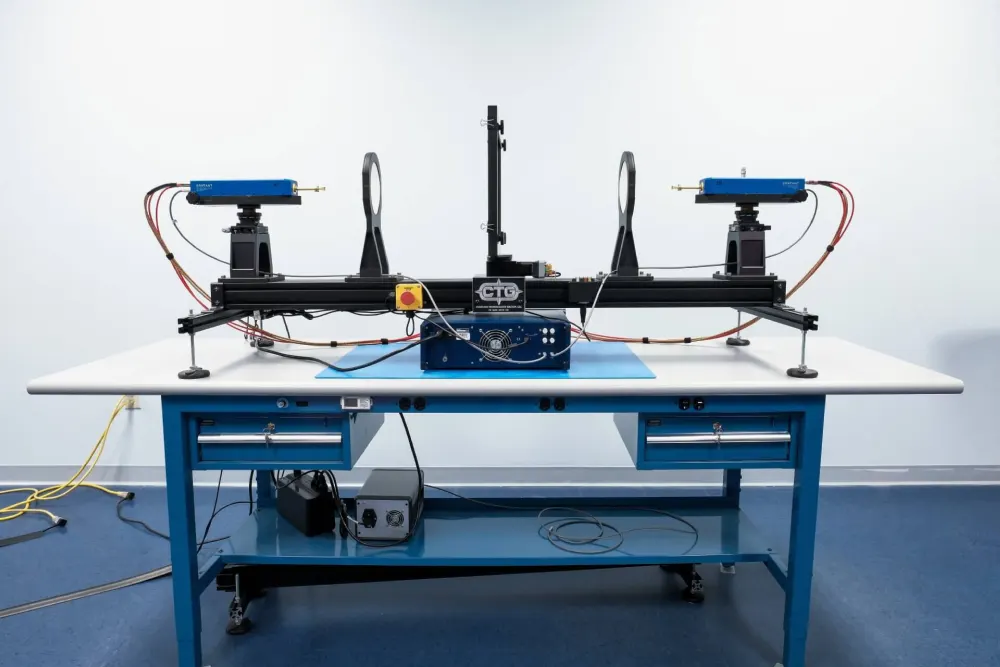
Electrical characterization of materials in Monterrey
We determine the electrical and electromagnetic properties of solid, liquid and composite materials used in electrical, electronic, automotive, aerospace, telecommunications and high-frequency applications. We work with material analyzers, vector network analyzers (VNA) and high-precision LCR equipment. The tests are essential for new material development, research and development (R&D), quality control, material selection and the validation of components for RF and microwave systems.
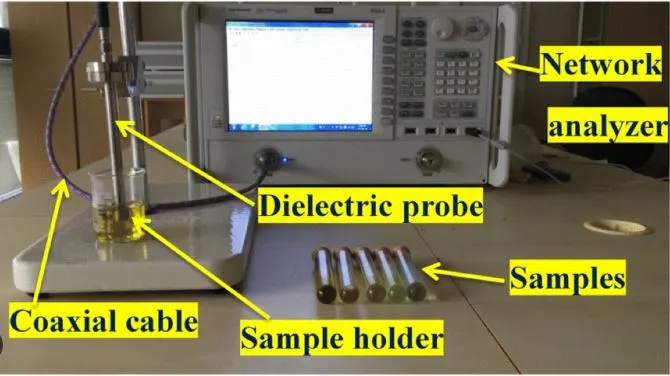
Dielectric property services for materials in Monterrey
Complete dielectric characterization of materials for high-tech electronic applications. We determine permittivity, dielectric constant, dielectric losses, loss tangent (tan δ), impedance, capacitance and quality factor (Q) to analyze how materials behave at different frequencies. Our measurement capability up to 26.5 GHz makes it possible to evaluate materials for RF, microwave, high-frequency PCBs, antennas, sensors, automotive electronics and advanced electronic systems. It provides technical information for selecting materials, optimizing designs, validating suppliers and developing products.
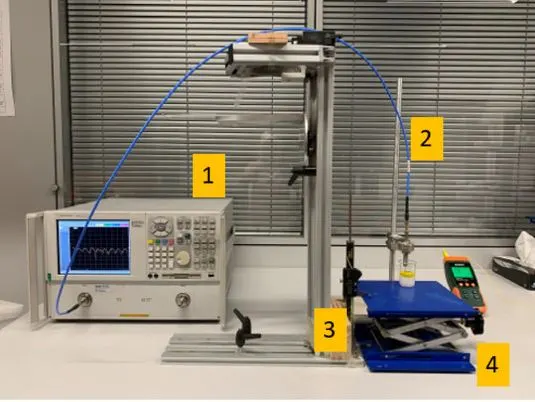
Analysis of dielectric materials by the coaxial probe method in Monterrey
We characterize the electromagnetic properties of solid, liquid and semi-solid materials using the coaxial probe method. The measurements determine complex permittivity, dielectric constant, dielectric losses and loss tangent. They provide technical information for developing, selecting and validating materials for electronic, RF and microwave applications.
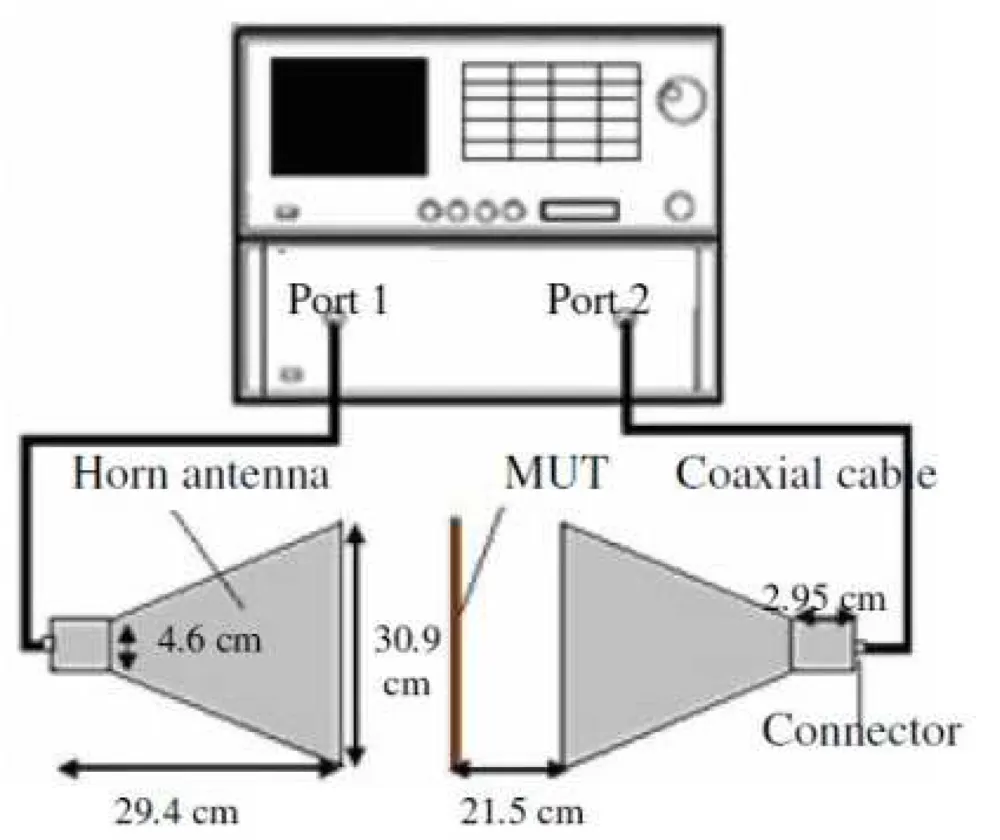
Electromagnetic and dielectric characterization by the transmission line and free-space methods in Monterrey
We characterize materials using the transmission line and free-space methods, techniques widely used to evaluate how materials behave under electromagnetic waves. The tests provide precise information on the electrical and magnetic properties of solid materials, laminates, foams, composites, ferrites, RF absorbers, polymers and ceramics, and make it easier to select them for high-frequency applications.

Measurement of the electrical properties of liquids in Monterrey
At Creativeit we characterize liquids used in electrical, electronic, radio frequency (RF) and microwave applications. With high-precision instrumentation and material analyzers we determine dielectric permittivity (dielectric constant), loss factor (tan δ), electrical conductivity and other electromagnetic properties over a wide frequency range.
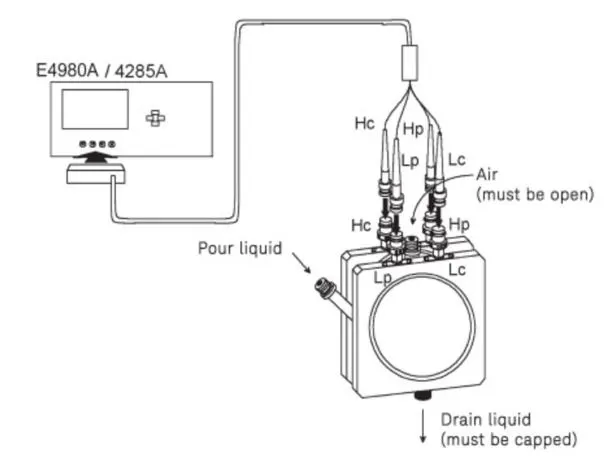
Liquid testing with a Keysight fixture: permittivity and dielectric loss
We characterize the permittivity of liquids with Keysight measurement systems. We determine relative permittivity, dielectric constant, loss factor and loss tangent as a function of frequency. The service evaluates the electromagnetic behavior of oils, solvents, industrial fluids, chemical materials and other liquids, and provides useful information for research, material development, formulation validation and high-frequency applications.
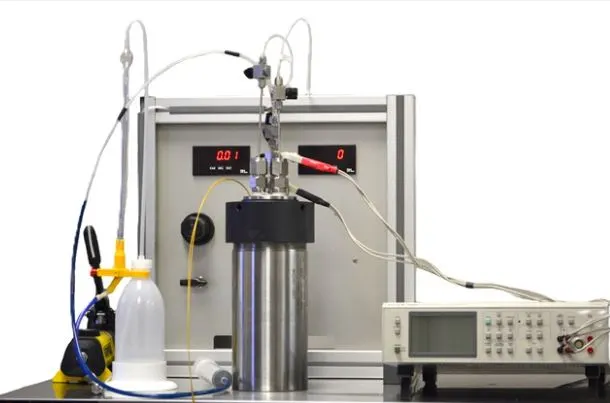
Electrical resistance analysis of liquids in Monterrey
We measure the direct current (DC) electrical resistance of liquids with electrometers, high-resistance sources and high-precision laboratory instrumentation to determine the electrical behavior of insulating and conductive liquids. The test evaluates a liquid’s ability to oppose the flow of direct current and provides essential information on its purity, degree of contamination, moisture content, aging and dielectric properties. It applies to dielectric oils, lubricating oils, hydraulic fluids, coolants, solvents and resins.
Low-frequency electromagnetic fields
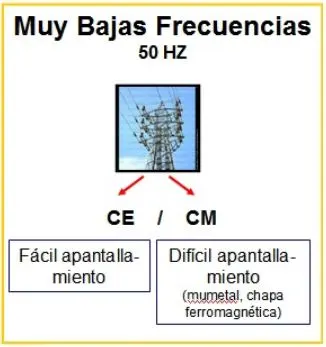
Low-frequency electromagnetic field studies in Monterrey
We measure low-frequency electromagnetic fields with the professional Holaday HI-3604 meter, specialized in 50/60 Hz electric and magnetic fields generated by power transmission and distribution lines, substations, transformers, motors and other electrical equipment. We measure on site to characterize field strength and analyze how it varies with distance and location. We document the results in technical reports with photographic evidence, which support electromagnetic exposure studies and assessments based on applicable technical and regulatory criteria.