


Why analyze power quality
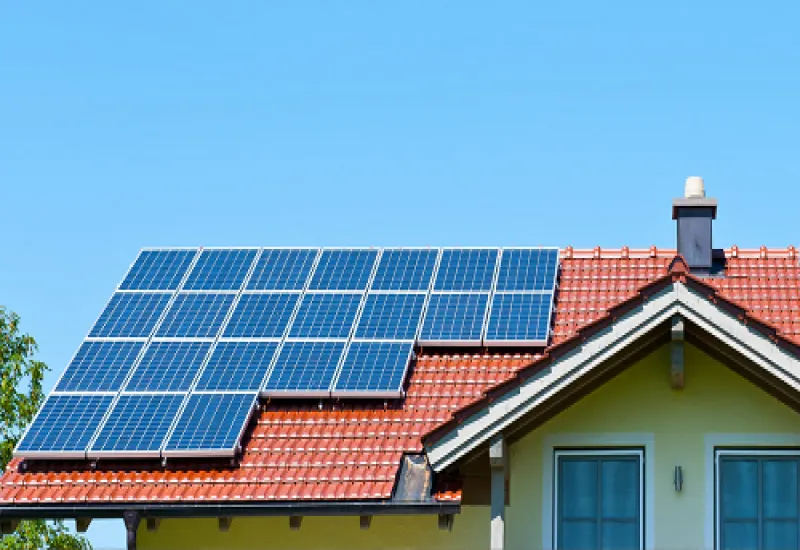
Power quality analysis in photovoltaic systems (solar panels) aims to ensure that the energy produced is stable and usable, without interference or problems that affect the system or the equipment that depends on it. The performance and efficiency of the panels depend to a great extent on the quality of the power they produce.
Factors analyzed
Voltage
- Voltage variation: the system must produce a constant voltage to operate stably. Fluctuations, caused by variation in solar radiation or by the connected load, can affect the efficiency and longevity of the connected equipment.
- Overvoltages or undervoltages: these can damage the inverters or even the electrical grid. We verify that the system keeps the voltage within the limits set by regulations.
Frequency
- Frequency variation: although these systems are usually connected to the grid, a fluctuation in the output frequency can indicate a malfunction or a lack of synchronization with the grid. The frequency must be well controlled to avoid interconnection problems.
Harmonics
- Harmonic distortion: harmonics are variations of the waveform introduced into the alternating current (AC). They can come from the inverter or from the load connected to the grid. Excessive harmonics reduce energy efficiency and the service life of electrical equipment.
Unbalance factors
- Phase unbalance: if the system is connected to a three-phase grid, unbalance between phases can cause efficiency losses in generation. It occurs when the three phases are not balanced and the power is distributed unevenly.
Active and reactive power
- Active power: this is the real energy generated and delivered to the grid or to connected devices. The system should maximize active power for greater efficiency.
- Reactive power: it does no useful work, but it is important for controlling grid voltage. If the system does not handle it well, it can cause problems on the grid.
Interruptions or voltage drops
These can be due to grid faults or to malfunctioning system components. They affect continuity of supply and are analyzed to determine the cause and find solutions.
Inverter performance and efficiency
The inverter converts the direct current (DC) from the panels into alternating current (AC) for use or for injection into the grid. Analyzing its performance is essential to keep the conversion efficient and free of excessive losses.
Real-time monitoring and data analysis
A real-time monitoring system immediately detects power quality problems. It can measure the energy generated and consumed, as well as voltage, current, frequency and other electrical parameters.
Analysis tools
- Power quality analyzers: instruments that measure the quality of the power in the photovoltaic system. They detect harmonics, voltage and frequency variations, and other parameters.
- Power monitors: they report the active, reactive and apparent power of the system.
- Monitoring software: some photovoltaic systems include software for viewing and analyzing power quality, with automatic anomaly alerts.
Proper analysis helps the panels operate efficiently, minimizes losses and extends the service life of the equipment. It also prevents quality problems from affecting the stability of the electrical grid, if the system is connected to it.