


EMF analysis service
We analyze the EMF in your home or business and check electromagnetic radiation levels. We have field detectors from 5Hz to 26.5GHz (gigahertz) and from 0.1uT to 19.99uT (microtesla).
We also have equipment and personal dosimeters to detect alpha, beta and gamma radiation. The röntgen is an old unit for measuring the effect of ionizing radiation: it quantifies radiometric exposure, that is, the total charge of ions released per unit mass of dry air under standard conditions of pressure and temperature.
- Electromagnetic radiation monitoring: home and apartment, office, outdoor site and industrial.
- Radiation testing of mobile phones, computers, televisions, refrigerators and high-voltage cables.
- Testing of radiation-proof products: the effect of radiation-proof clothing, radiation-proof film and other protective equipment.
It is advisable to measure before buying a home, to find out whether it is near EMF fields and at what levels.
Overview
Mobile phones, microwaves, Wi-Fi routers, computers and other devices emit invisible energy waves that concern some experts. Since the beginning of the universe, the sun has emitted waves that create electric and magnetic fields (EMF); their visible energy is light.
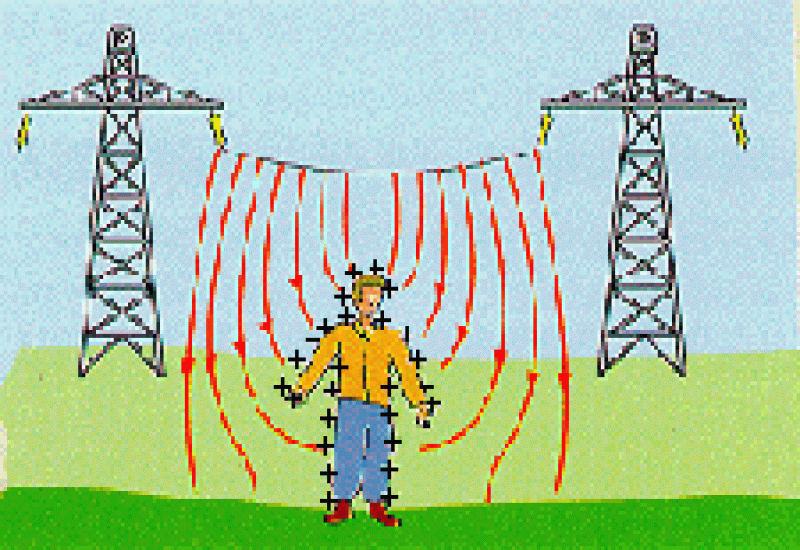
At the beginning of the twentieth century, power lines and indoor lighting spread around the world, and scientists noticed that power lines also emit electromagnetic fields. It later became known that many electrical appliances, X-rays and medical imaging procedures such as MRI scans also produce them.
According to the World Bank, 87 percent of the world’s population has access to electricity. Even so, scientists generally do not believe that electromagnetic fields are a health problem, although some question the exposure and point out that research is lacking to confirm that they are safe.
Types of EMF exposure
There are two types. Low-level, or non-ionizing, radiation is mild and believed to be harmless. High-level, or ionizing, radiation comes in the form of ultraviolet rays from the sun and X-rays from medical imaging machines. Intensity decreases as distance from the source increases. Common sources, from low to high levels:
Non-ionizing radiation
- Microwave ovens
- Computers
- Household energy meters
- Wireless (Wi-Fi) routers
- Cell phones
- Bluetooth devices
- Power lines
- MRI scans
Ionizing radiation
- Ultraviolet light
- X-rays
Research on harmfulness
There is no solid research showing that electromagnetic fields harm human health, which is why there is disagreement. The International Agency for Research on Cancer (IARC), part of the World Health Organization, considers them “possibly carcinogenic to humans”, because some studies show a possible link with cancer.
In 2000 the largest study began to compare cancer cases in users and non-users of cell phones, which have been widely used since the 1980s. It followed more than 5,000 people in 13 countries and found a weak connection between higher exposure and glioma, a cancer of the brain and spinal cord. Gliomas appeared more often on the side of the head where the phone was used, but the researchers concluded that there was not enough evidence to state that cell phones caused cancer.
A smaller, more recent study found a higher risk of a certain type of leukemia in adults exposed for years to high EMF levels. European scientists saw an apparent link with childhood leukemia, but without sufficient monitoring of the fields they cannot draw a conclusion and are calling for more research.
A review of more than two dozen studies on low-frequency fields suggests that they may cause neurological and psychiatric problems, with changes in nerve function that affect sleep and mood.
Danger levels
The International Commission on Non-Ionizing Radiation Protection (ICNIRP) maintains international EMF exposure guidelines, based on years of scientific research. Fields are measured in volts per meter (V / m): the higher the reading, the stronger the field.
Most appliances from reputable brands are tested to comply with ICNIRP guidelines. Utilities and governments manage the fields from power lines, mobile phone towers and other sources. No known health effects are expected if your exposure stays below these levels:
- Natural electromagnetic fields (such as those from the sun): 200 V / m
- Power grid (not near power lines): 100 V / m
- Power grid (near power lines): 10,000 V / m
- Electric trains and trams: 300 V / m
- TV and computer screens: 10 V / m
- TV and radio transmitters: 6 V / m
- Mobile phone base stations: 6 V / m
- Radars: 9 V / m
- Microwave ovens: 14 V / m
Portable meters sold online often do not measure very high frequencies and their accuracy is generally low, so their effectiveness is limited. According to ICNIRP, maximum exposure for most people is very low in everyday life.
Symptoms of EMF exposure
According to some scientists, electromagnetic fields can affect the nervous system and damage cells. Cancer and unusual growths may be a symptom of very high exposure. Other possible symptoms:
- Sleep disturbances, including insomnia
- Headache
- Depression and depressive symptoms
- Tiredness and fatigue
- Dysesthesia (a painful sensation, often with itching)
- Lack of concentration
- Memory changes
- Dizziness
- Irritability
- Loss of appetite and weight
- Restlessness and anxiety
- Nausea
- Burning and tingling of the skin
- Changes in the electroencephalogram, which measures the electrical activity of the brain
These symptoms are vague and a diagnosis based on them is unlikely. Not enough is yet known about the effects on human health.
Protection against EMF exposure
According to the latest research, electromagnetic fields are unlikely to cause adverse effects. Near power lines the EMF frequency is very low. To reduce high-level exposure, receive only medically necessary X-rays and limit your time in the sun.
To reduce everyday exposure: put your phone down when you are not using it, use the speaker or headphones, leave it in another room when you sleep and do not carry it in your pocket. Stay alert to new research on its health effects.
Conclusion
Electromagnetic fields occur naturally and also come from artificial sources. Possible weak connections have been found between low-level exposure and health problems such as cancer. High-level exposure causes neurological and physiological problems by disrupting nerve function, but it is very unlikely in daily life. Low-level exposure to EMF is unlikely to be harmful.